We are a working farm. If you would like to stop by, call us at (828) 678-1404 to arrange a time for your visit .
Stinging Nettle
Urtica dioica
Stinging Nettle (Urtica dioica)
Botanical Profile
Scientific Name:Urtica dioica
Common Names: Common Nettle, Burn Nettle, Nettle Leaf
Family: Urticaceae
Plant Type: Herbaceous perennial
Height: 2 to 5 feet (60 to 150 cm)
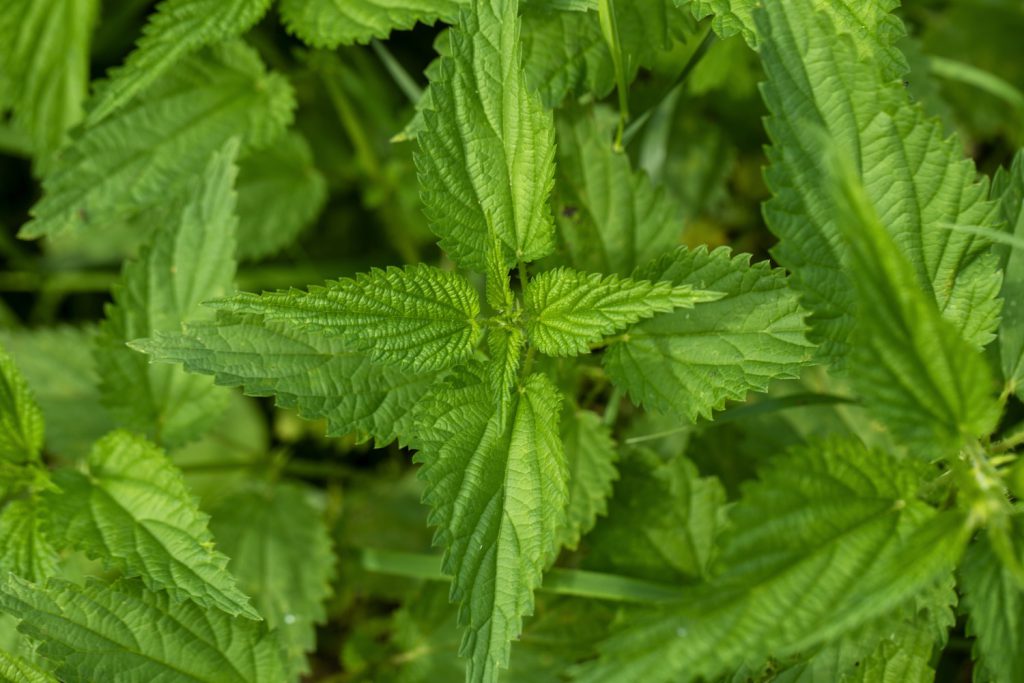
Leaves: Dark green, heart-shaped, serrated edges
Flowers: Small, greenish, dioecious (male and female flowers on separate plants)
Habitat: Thrives in rich, damp soil in temperate regions
Description
Urtica dioica, commonly known as Stinging Nettle, is a resilient perennial plant known for its stinging hairs that can irritate the skin upon contact. Found in temperate regions, it grows in moist, nutrient-rich soils and is recognized for its jagged-edged, dark green leaves and nutrient-dense properties.
Medicinal Properties
Stinging Nettle has been used for centuries for its therapeutic benefits. It is rich in vitamins A, C, K, and B-complex, as well as minerals like iron, calcium, and magnesium.
Primary Benefits:
Anti-Inflammatory: Reduces joint pain and inflammation.
Allergy Relief: Acts as a natural antihistamine.
Detoxifying: Supports kidney function and acts as a diuretic.
Nutrient-Rich: Provides essential vitamins and minerals.
Hair and Skin Health: Improves scalp health and soothes skin conditions.
Common Uses
Infusions & Teas: Steep dried leaves for a nutrient-rich tea.
Capsules & Tinctures: For concentrated medicinal use.
Topical Applications: Creams and salves for joint and skin health.
Culinary: Use cooked young leaves in soups or as a spinach substitute.
Preparation & Safety
Harvesting: Use gloves to avoid irritation. Best harvested in spring.
Drying: Dry leaves in a ventilated space to neutralize stinging hairs.
Precautions: Avoid during pregnancy and consult a healthcare provider if taking diuretics or blood thinners.
Materia Medica Summary
Property
Details
Scientific Name
Urtica dioica
Plant Type
Perennial herb
Parts Used
Leaves, stems, roots
Energetics
Drying, cooling
Primary Actions
Anti-inflammatory, diuretic, antihistamine
🌿 Stinging Nettle Flavor Profile 🌿
Flavor Notes
Stinging Nettle (Urtica dioica) offers a mild, earthy, and herbaceous flavor. It is often compared to spinach or kale but has a richer, more mineral-like taste. When brewed as a tea, it presents a grassy, green flavor with subtle hints of sweetness and a faintly astringent finish.
Taste Characteristics
Earthy: Deep, green taste reminiscent of leafy vegetables.
Mineral-like: Slight metallic note, similar to nutrient-dense greens.
Mildly Sweet: Subtle sweetness that balances grassy elements.
Astringent: Light, drying sensation on the palate, especially in tea.
Aroma
When dried or brewed, Stinging Nettle emits a fresh, grassy scent with earthy undertones, similar to freshly cut hay or spring greens.
Best Pairings
Herbal Blends: Combines well with mint, lemon balm, or chamomile for a refreshing tea.
Savory Dishes: Enhances soups, stews, and sautés with garlic and butter.
Infusions: A splash of lemon or a drizzle of honey complements its subtle sweetness.